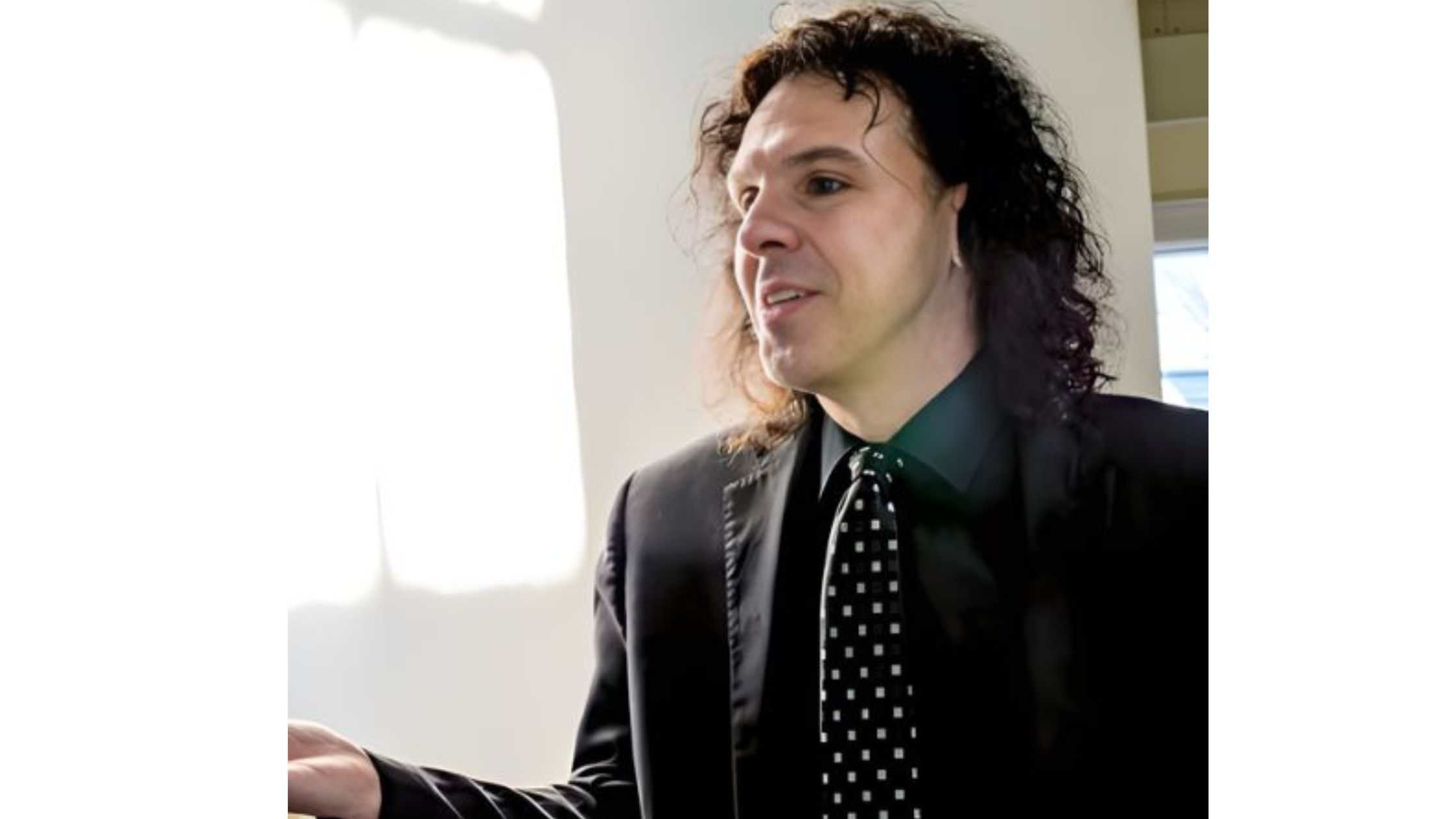
We recently sat down with Steven A Adinolfi, an accomplished sales and operations leader with over 20 years of experience driving growth and leading teams in competitive markets. Having previously held key leadership roles in Las Vegas, Steven Adinolfi has built a strong reputation for his strategic mindset and results-oriented approach.
In this conversation, Steven Adinolfi discusses how adaptability shapes long-term success and why the ability to evolve remains essential for organizations aiming to thrive in a constantly changing business environment. His perspective highlights the importance of embracing flexibility as a strength rather than a challenge. Through his insights, Steve Adinolfi reminds leaders that adaptability is not just about change; it’s about staying ahead of it.
Interviewer: Welcome, Steven Adinolfi. It’s great to have you here today. Could you start by sharing your thoughts on what adaptability means in a business context?
Steven A Adinolfi: Thank you for having me. Adaptability in business means being able to adjust quickly when things change. Markets shift, customer needs evolve, and new technologies appear all the time. The companies that last are the ones that keep learning, improving, and staying flexible. It’s not about changing everything; it’s about making smart adjustments to stay relevant and keep moving forward.

Interviewer: How important do you think adaptability is in sales and operations today?
Steven A Adinolfi: It’s absolutely vital. Sales and operations depend on market movement, customer behavior, and competition, all of which change constantly. To stay competitive, teams must remain flexible and proactive. Adaptability allows businesses to respond quickly when challenges arise, ensuring they can continue delivering value. Without adaptability, even strong strategies lose relevance over time. The best organizations evolve continuously while keeping their core goals steady.
Also Read : Interview with Riad Daloussi About Scaling a Construction Equipment Network
Interviewer: What do you think makes adaptability so challenging for many organizations?
Steven A Adinolfi: The biggest challenge is mindset. Many people are comfortable with routine, so change feels risky or uncomfortable. But growth doesn’t come from doing things the same way forever. It comes from trying new ideas, learning from feedback, and improving. Leaders must help teams understand that adaptability isn’t about losing stability, it’s about building resilience. Once that shift happens, people begin to see change as opportunity, not threat.
Interviewer: How do you personally practice adaptability in your own leadership?
Steven A Adinolfi: I make a point to listen, learn, and stay open-minded. Every project and person teaches me something new. I adjust my leadership style based on team needs, communication styles, and goals. Being adaptable as a leader means being humble enough to know you don’t always have all the answers. It’s about learning alongside your team and making informed decisions as situations evolve.
Interviewer: How does adaptability influence team motivation and performance?
Steven A Adinolfi: When leaders are adaptable, they create a positive environment where people feel valued and understood. It shows the team that change is not a punishment but a path forward. This builds confidence and keeps morale high. When people see their leaders adjust strategies and still stay calm under pressure, they mirror that energy. Adaptability inspires teamwork, creativity, and better results overall.
Interviewer: What can companies do to build adaptability into their culture?
Steven A Adinolfi: It starts with leadership. Leaders must show through actions that flexibility is encouraged and mistakes are part of learning. Recognizing people who take initiative or suggest new ways of doing things helps a lot. Training, open communication, and feedback also support this. A culture built on adaptability becomes a culture of growth, one where everyone contributes to progress and innovation.
Interviewer: How can organizations balance consistency and adaptability?
Steven A Adinolfi: The two should work together. Consistency builds trust and stability, while adaptability allows innovation. You can stay consistent with your values, vision, and customer commitment, yet remain flexible in how you achieve goals. The key is to have a clear direction but allow room to pivot when conditions change. That’s how great companies sustain long-term success.

Interviewer: How do you encourage your teams to embrace change rather than resist it?
Steven A Adinolfi: I always explain the “why” behind every change. When people understand the purpose, they’re more willing to adapt. I share real examples of how flexibility led to success. Celebrating small wins also helps teams see that change brings progress. Encouragement, communication, and empathy go a long way in making teams comfortable with evolving strategies.
Interviewer: How has adaptability played a role in your own career growth?
Steven A Adinolfi: Adaptability has been one of the most valuable skills in my career. It’s helped me transition between industries and regions successfully. Each new environment brought unique challenges, but staying flexible allowed me to learn faster and lead stronger. It’s not about changing who you are, it’s about evolving your approach to fit new opportunities while staying true to your principles.
Interviewer: What advice would you offer young professionals about adaptability?
Steven A Adinolfi: My advice is simple: stay curious and never stop learning. The world is changing faster than ever, and success comes to those who evolve with it. Be open to feedback, seek new experiences, and don’t fear mistakes; they’re lessons. Adaptability makes you more resilient and capable of handling challenges. The more flexible you are, the more doors open in your career.
Interviewer: How does technology affect adaptability in modern business?
Steven A Adinolfi: Technology pushes adaptability to the forefront. With new tools and platforms emerging daily, teams must constantly learn and adjust. Those who embrace digital transformation gain a major advantage. It’s not about replacing people, it’s about enhancing their capabilities. Staying adaptable with technology ensures you stay connected, informed, and efficient in meeting customer needs.
Interviewer: How does adaptability help in overcoming business setbacks?
Steven A Adinolfi: Adaptability turns setbacks into opportunities to improve. Every challenge teaches you something valuable. When teams stay flexible, they recover faster and smarter. Instead of dwelling on problems, they focus on solutions. I’ve seen teams come out stronger after difficulties simply because they were open to adjusting their approach. That’s the power of adaptability, it builds resilience.
Interviewer: How can leaders show adaptability through their own behavior?
Steven A Adinolfi: Leaders set the tone. When they demonstrate adaptability by staying calm during change and adjusting strategies as needed, their teams follow. Being transparent about decisions and showing a willingness to learn from mistakes builds credibility. True leadership isn’t about being rigid, it’s about guiding others through uncertainty with confidence and flexibility.

Interviewer: How do you connect adaptability with long-term planning?
Steven A Adinolfi: Long-term plans need flexibility. You can have a strong vision but still adjust the path as new information emerges. Adaptability ensures that your plans stay realistic and relevant over time. Markets and technologies evolve, so you must review and refine goals regularly. Success comes from holding firm to your vision while being open to better ways of achieving it.
Interviewer: Can you share a time when adaptability made a real difference in your work?
Steven A Adinolfi: There was a time when market conditions shifted suddenly, and our sales numbers dropped. Instead of sticking to old methods, I restructured our approach, retrained the team, and targeted new opportunities. Within months, we saw growth again. That experience taught me that adaptability isn’t just helpful, it’s essential for recovery and continued success.
Interviewer: How do you train your teams to become more adaptable?
Steven A Adinolfi: I focus on building confidence and communication. People adapt faster when they understand the reasons behind changes and feel supported. I encourage critical thinking, problem-solving, and ownership. Training that promotes collaboration and innovation helps teams stay ready for whatever comes next. Adaptability is a skill that grows through practice.
Interviewer: How does adaptability improve customer relationships?
Steven A Adinolfi: Customers’ needs evolve constantly. Being adaptable means listening carefully and adjusting to meet those needs. It builds trust and loyalty because clients see that you care about providing real solutions, not just selling products. Adaptable companies stay in tune with their customers and keep relationships strong over time.
Interviewer: How do you prevent adaptability from leading to chaos in a team?
Steven A Adinolfi: Structure and communication are key. Adaptability doesn’t mean constant change, it means thoughtful change. You must set clear goals, monitor progress, and communicate updates regularly. When everyone understands the purpose behind adjustments, the team stays aligned and confident. Adaptability works best when it’s guided by vision and discipline.

Interviewer: What happens to companies that fail to adapt?
Steven A Adinolfi: Companies that don’t adapt eventually lose their edge. Competitors move faster, customers move on, and opportunities disappear. The business world rewards flexibility and punishes stagnation. Adaptability is what keeps organizations growing, relevant, and innovative over time. Without it, even successful brands can fade away.
Interviewer: Thank you, Steven Adinolfi. Any final message you’d like to share before we wrap up?
Steven A Adinolfi: Thank you. My final message is simple: adaptability is more than a business skill; it’s a mindset for life. The world will always change, but those who stay flexible will continue to thrive. Keep learning, keep growing, and never be afraid to adjust your path. That’s the real secret to long-term success.