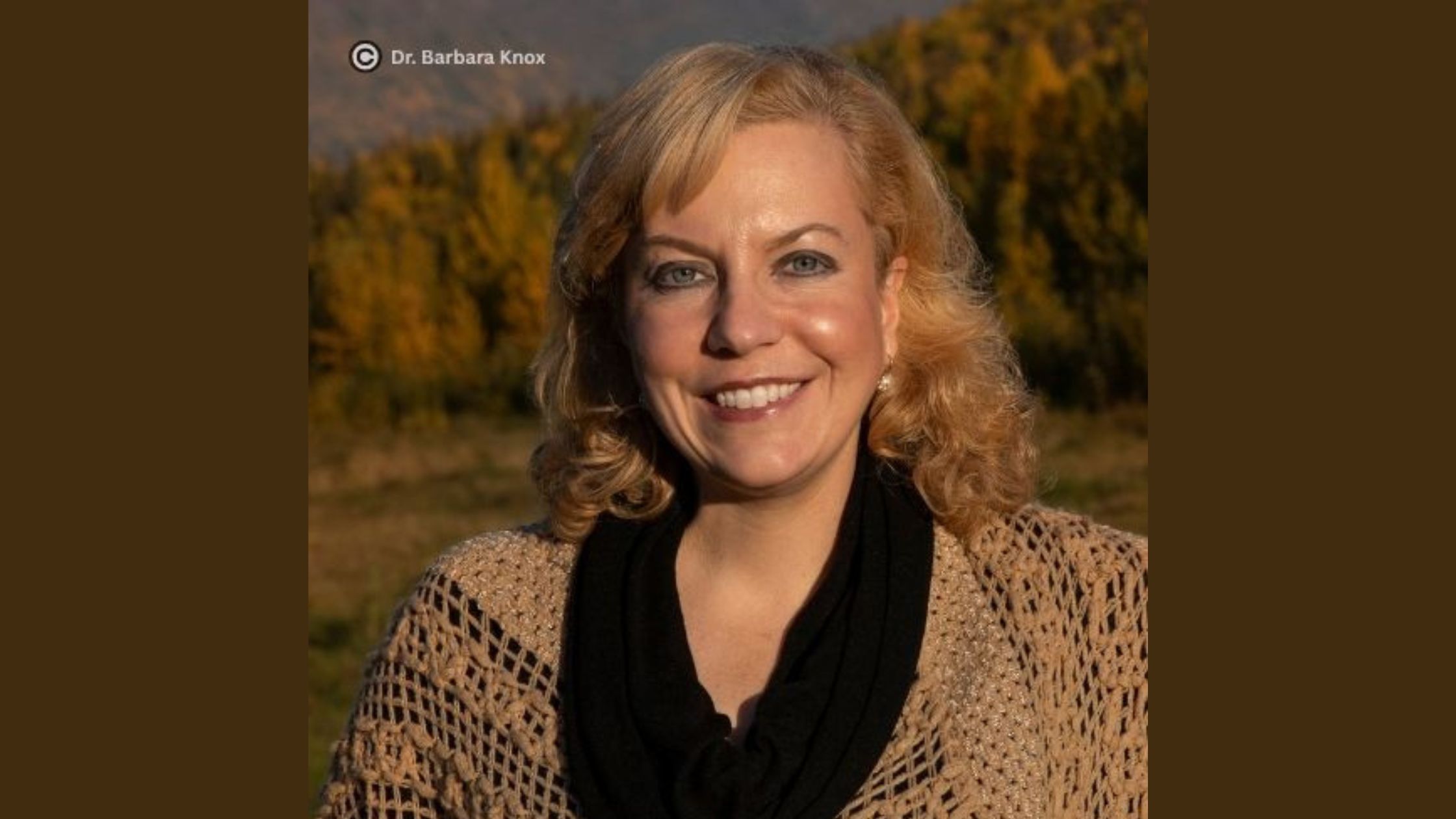
Today, we spoke with Dr. Barbara Knox MD, a respected physician who has dedicated her career to pediatrics and forensic medicine. With board certification in both general pediatrics and child abuse pediatrics, she brings rare expertise to an area many find difficult to discuss. She completed her medical degree at the University of Wisconsin School of Medicine and Public Health, trained in pediatrics at the Mayo Clinic, and pursued a fellowship in Child Abuse Pediatrics at Cincinnati Children’s Hospital Medical Centre. Alongside her clinical work, she also serves as a fellowship director and principal investigator for research grants in her field.
Child abuse often hides behind silence, fear, and misunderstanding. Today, Dr. Barbara Knox MD shares her knowledge on how to recognize the signs that children may not be safe. This interview provides practical guidance for parents, teachers, and caregivers who want to better protect children.
Interviewer: Dr. Knox, many people think they know what child abuse looks like. Why do you believe it can remain hidden?
Dr. Barbara Knox MD: That’s a good place to start. People often picture bruises or obvious injuries when they think about abuse. The truth is, many cases don’t present that way. Children may not speak up because they feel scared or ashamed. They may worry about breaking up their family or getting in trouble. Some children are too young to explain what’s happening to them. That’s why hidden abuse can continue for months or even years before anyone notices.
Interviewer: What are some of the signs parents or teachers should watch for?
Dr. Barbara Knox MD: One key sign is a sudden change in behavior. A child who was once outgoing may become very quiet, withdrawn, or anxious. Another is a decline in school performance. Teachers sometimes notice a child who was doing well start to struggle without a clear reason. You might also see children avoiding certain people or places. For example, a child may panic when told they have to go somewhere that should normally be safe. Physical signs can also be subtle, such as injuries in unusual places, repeated “accidents,” or wearing long sleeves in hot weather to cover marks.
Interviewer: Could you share an example from your work that shows how subtle these signs can be?
Dr. Barbara Knox MD: I remember a young girl who came in for what seemed like routine stomach aches. Nothing in the initial tests explained her pain. When I spoke with her more, I learned she was anxious because of what was happening at home. Her stomach pain was her way of expressing distress. Children don’t always say “I’m being hurt.” Instead, their bodies and behavior tell the story. If adults listen carefully, they can catch these signals.
Also Read: Interview With Daniel J Peterson About Flexible Real Estate Financing
Interviewer: Some parents may worry about overreacting. How can they balance concern with caution?
Dr. Barbara Knox MD: I always encourage parents and caregivers to trust their instincts. If something feels wrong, pay attention. That doesn’t mean accusing someone without cause. It means asking gentle questions, offering support, and seeking professional guidance when needed. For example, if a child suddenly refuses to be around a certain babysitter, don’t ignore that. Ask the child why in a safe and calm way. If concerns continue, reach out to your pediatrician, school counselor, or a child protection hotline. You don’t need to have all the answers, just taking the first step can make a difference.

Interviewer: Beyond physical and behavioral changes, are there emotional signs to watch for?
Dr. Barbara Knox MD: Yes. Children living with abuse often show strong feelings of guilt, shame, or fear. They may say things like “I’m bad” or “everything is my fault.” Some children develop sleep problems or nightmares. Others may start acting much younger than their age, like bed-wetting after they had already stopped. Emotional signs can be just as telling as physical ones. If you see patterns that don’t add up, it’s worth paying closer attention.
Interviewer: For teachers and caregivers, what practical steps can they take if they suspect abuse?
Dr. Barbara Knox MD: First, create a safe space where the child feels they can talk. That means listening without judgment and without pushing too hard. Second, document what you observe. Write down the child’s words exactly as they said them, note any visible injuries, and record changes in behavior. Third, follow the reporting laws in your area. Many professionals, like teachers and healthcare workers, are required to report suspicions of abuse. Even if you aren’t required by law, you can still call a child protection hotline for advice. Acting early can prevent further harm.
Interviewer: Parents sometimes struggle with how much to teach their kids about safety without making them fearful. What do you recommend?
Dr. Barbara Knox MD: That’s an important balance. I suggest teaching children about body boundaries in simple, age-appropriate ways. Let them know their body belongs to them, and no one has the right to touch them in a way that makes them uncomfortable. Teach them the difference between safe secrets, like a surprise party, and unsafe secrets, like someone telling them not to share something that feels wrong. Encourage open communication. When children feel they can talk about anything, they are more likely to tell you if something happens.

Interviewer: How does your research connect with your clinical work in child protection?
Dr. Barbara Knox MD: My research focuses on better ways to identify and understand abuse. For example, we look at patterns of injuries and how they relate to age or developmental stage. We also study how children respond emotionally to trauma. This research guides our clinical decisions and helps train the next generation of pediatricians. By combining research and clinical care, we can protect more children and give them a stronger chance for recovery.
Interviewer: What message would you give to someone who feels unsure about reporting suspected abuse?
Dr. Barbara Knox MD: I would remind them that protecting a child’s safety is always the priority. It’s not your job to prove abuse. That’s for investigators to determine. Your role is to raise a concern if something doesn’t feel right. Making a report does not mean you’re accusing someone, it means you’re asking professionals to look closer. Every call has the potential to save a child from further harm.
Interviewer: Before we close, is there one piece of advice you want every parent or caregiver to remember?
Dr. Barbara Knox MD: Yes. Pay attention to the small things. A child’s behavior, emotions, or physical appearance can tell you more than words ever could. Don’t dismiss those signals. By staying alert, asking questions, and seeking help when needed, you give children the safety and trust they deserve.