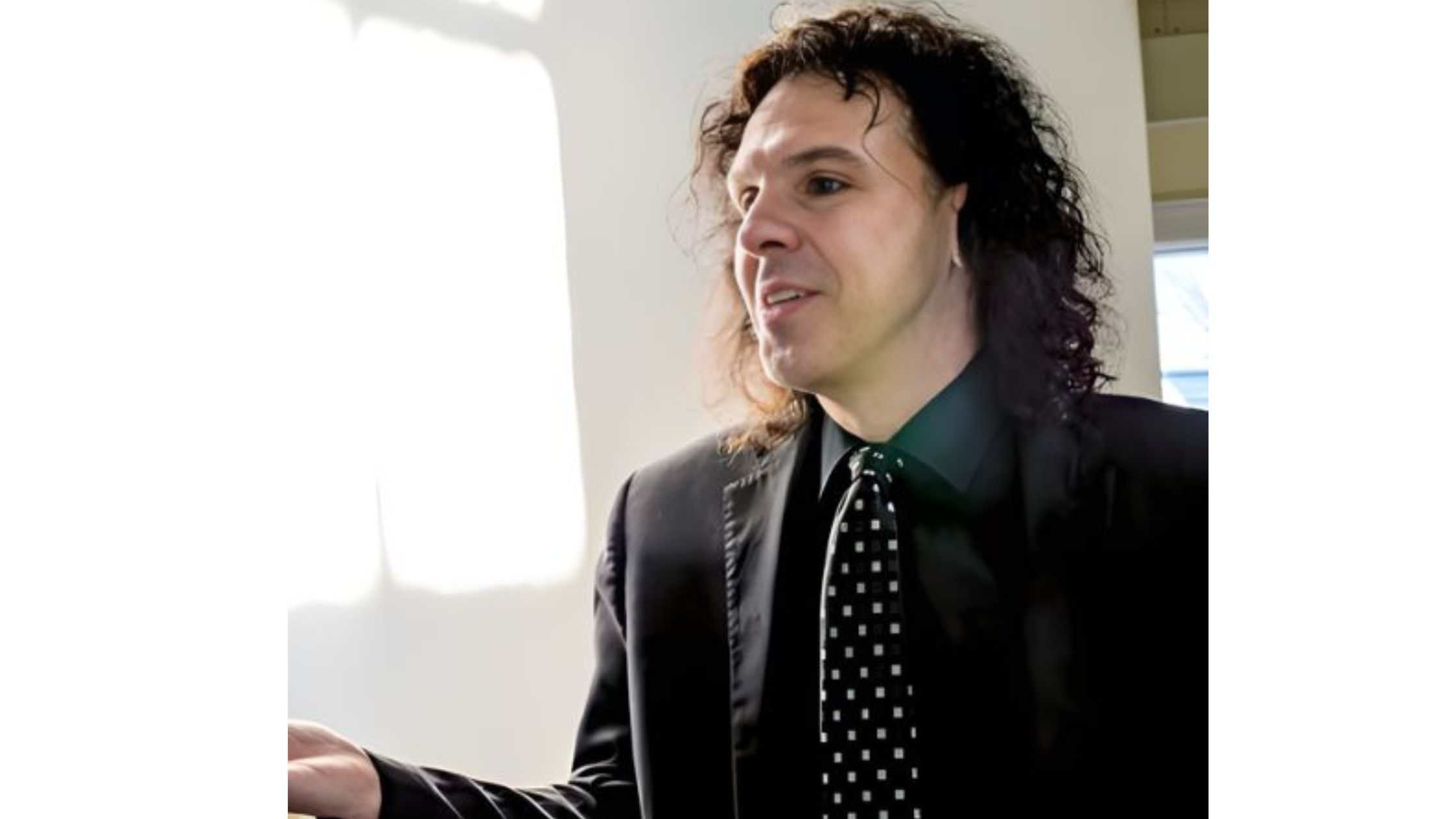
Anthony Wing, a championship oyster shucker and the founder of Shuck The World, speaks about the deeper meaning behind his belief that oyster shucking is built on precision. In this interview, Anthony Wing explains how accuracy, patience, and awareness matter more than rushing the process. He shares insights from competitions and live events, emphasizing that clean technique preserves flavor, ensures safety, and shows respect for the oyster itself. Through his experience, Anthony Wing reveals how precision transforms shucking from a task into a refined craft that defines professional oyster service.
Interviewer: Anthony Wing, can you introduce yourself and explain your connection to oyster shucking?
Anthony Wing:- Oyster shucking began as a curiosity and grew into a craft built on discipline and respect for the product. What started with learning how to open shells safely evolved into understanding oysters as living ingredients with unique characteristics. Over time, shucking became less about speed and more about control, consistency, and care. It’s a practice shaped by repetition, observation, and a deep appreciation for seafood culture and the stories oysters carry.

Interviewer: What does precision mean in the context of oyster shucking?
Anthony Wing:- Precision in oyster shucking means knowing exactly where to apply pressure, how much force to use, and when to slow down. Every oyster is different, and precision allows the shucker to adapt instantly. It reduces waste, preserves the oyster’s natural liquor, and ensures safety. Precision isn’t flashy; it’s quiet confidence built through muscle memory and attention to detail that separates careful shucking from careless opening.
Interviewer: Why is precision more important than speed?
Anthony Wing:- Speed can be impressive, but without precision it leads to broken shells, damaged oysters, and safety risks. Precision creates efficiency over time because fewer mistakes mean smoother workflow. When movements are accurate, speed naturally follows. Precision protects the oyster’s integrity, which is essential when serving raw seafood. In professional settings, guests may notice speed, but they remember quality, cleanliness, and consistency, all of which come from precise technique.
Interviewer: How long does it take to develop precise shucking skills?
Anthony Wing:- Precision develops gradually through repetition and awareness. It’s not something mastered in weeks but refined over years. Early stages focus on learning the anatomy of the shell and safe knife handling. Over time, hands learn subtle cues like shell resistance and hinge behavior. True precision comes when movements become instinctive while still controlled, allowing consistency even under pressure or high-volume environments.
Interviewer: What role does the oyster itself play in achieving precision?
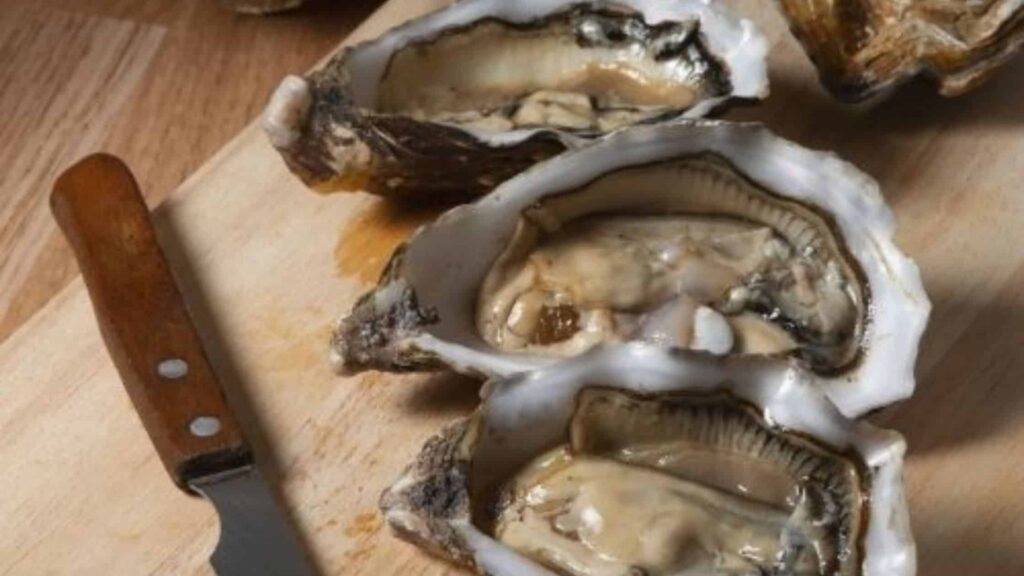
Anthony Wing:- The oyster dictates the approach. Shell shape, thickness, and origin all influence how it should be opened. Precision comes from listening to the oyster rather than forcing it. Experienced shuckers read visual and tactile cues before inserting the knife. Respecting the individuality of each oyster leads to cleaner openings and better results. Precision is a response, not an imposition.
Interviewer: Anthony Wing, how does precision impact the eating experience?
Anthony Wing:- A precisely shucked oyster arrives intact, clean, and full of its natural liquor. This preserves flavor, texture, and presentation. There’s no shell grit, no torn meat, and no unnecessary handling. For the guest, the experience feels effortless and refined. Precision behind the scenes directly shapes enjoyment at the table, even if the diner never sees the process itself.
Interviewer: What common mistakes show a lack of precision?
Anthony Wing:- Common mistakes include forcing the knife, rushing the hinge, or prying too aggressively. These actions often result in broken shells, damaged meat, or injuries. Lack of precision also shows in inconsistent results, where some oysters are clean while others are messy. These errors usually come from impatience or overconfidence rather than lack of strength or tools.
Also Read :- Steven A Adinolfi Says, “Long-Term Success Requires Adaptability.”
Interviewer: Anthony Wing, how important are tools when it comes to precise shucking?
Anthony Wing:- Tools matter, but technique matters more. A well-chosen knife supports precision by offering balance, grip, and control. However, even the best knife can’t replace proper hand positioning and awareness. Precision comes from how the tool is used, not just what tool is chosen. Maintaining sharp, clean equipment also plays a role in achieving consistent, accurate openings.
Interviewer: Can precision be taught, or is it learned only through experience?
Anthony Wing:- Precision can be taught conceptually but must be earned through practice. Instruction provides a framework: where to place the knife, how to angle the blade, and how to protect the hand. Experience turns those lessons into instinct. Precision grows when feedback is applied consistently, allowing mistakes to become learning moments rather than habits.
Interviewer: How does pressure affect precision during service?
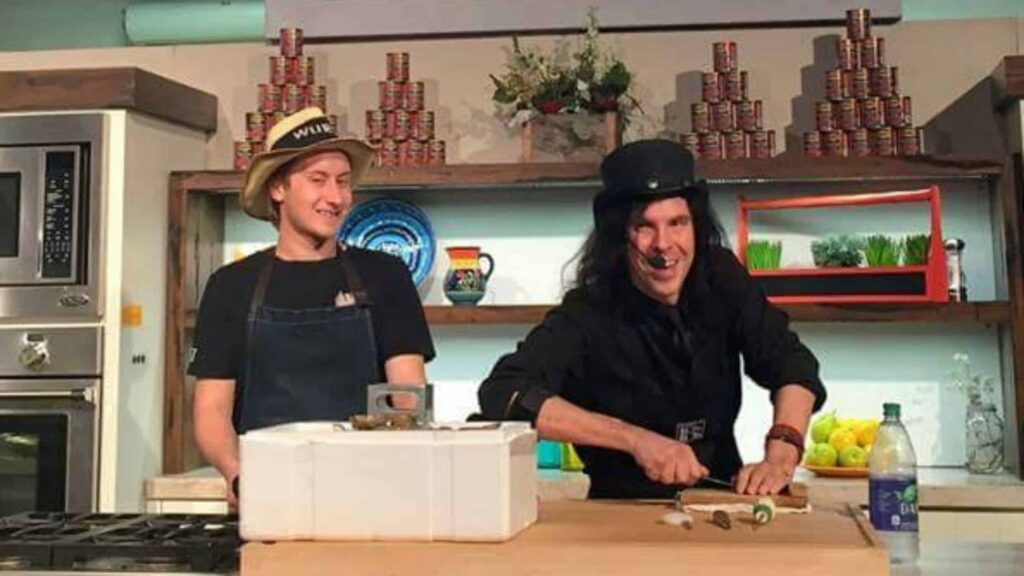
Anthony Wing:- Pressure tests precision. High-volume service exposes weak habits quickly. When stress rises, technique either holds or collapses. Precision built through repetition remains stable under pressure, allowing clean results even at speed. Shuckers who rely solely on force struggle during busy moments, while those grounded in precision maintain control and consistency regardless of pace.
Interviewer: What mental skills support physical precision?
Anthony Wing:- Focus, patience, and awareness are essential. Precision requires being present with each oyster rather than operating on autopilot. Managing distractions and staying calm helps maintain consistent technique. Mental discipline allows hands to respond accurately, even when conditions change. Precision begins in the mind before it ever shows in the hands.
Interviewer: How does precision contribute to safety?
Anthony Wing:- Precise movements reduce slips, overextension, and unnecessary force, all of which are common causes of injury. Knowing exactly where the knife is going and how much pressure is needed minimizes risk. Safety in shucking isn’t about gloves alone; it’s about controlled, intentional actions that protect both the shucker and those being served.
Interviewer: Anthony Wing, does precision change with different oyster varieties?
Anthony Wing:- Yes, different varieties demand different approaches. Thin-shelled oysters require gentler handling, while thicker shells need controlled strength. Precision means adjusting technique rather than applying a single method to all oysters. Understanding these differences prevents damage and improves efficiency. Adaptability is a key component of precise shucking.

Interviewer: Anthony Wing, how does precision reflect professionalism?
Anthony Wing:- Precision signals respect for the craft and the product. Clean, consistent oysters show discipline and pride in workmanship. In professional environments, precision builds trust with clients and guests. It demonstrates that the shucker values quality over shortcuts, which elevates the entire experience and reflects a higher standard of service.
Interviewer: What role does repetition play in mastering precision?
Anthony Wing:- Repetition builds muscle memory, allowing movements to become smooth and reliable. Each oyster reinforces technique, correcting small errors over time. Precision isn’t achieved through occasional practice but through consistent repetition with intention. Repeating the right movements matters more than repeating mistakes quickly.
Interviewer: How can beginners focus on precision without feeling overwhelmed?
Anthony Wing:- Beginners should slow down and focus on fundamentals. Precision starts with proper hand placement, steady posture, and controlled knife entry. Ignoring speed and prioritizing safety helps build confidence. Breaking the process into small, repeatable steps makes learning manageable and prevents bad habits from forming early.
Interviewer: Is precision visible to the audience or mostly behind the scenes?
Anthony Wing:- Precision is subtle but noticeable. Audiences may not articulate it, but they sense when oysters are clean, intact, and well-presented. Smooth, controlled movements also appear calm and confident. Even when unnoticed consciously, precision shapes perception and elevates the overall impression of the service.
Interviewer: How does precision influence respect for oysters as a food?
Anthony Wing:- Precision reinforces the idea that oysters deserve care. Opening them cleanly honors the effort behind harvesting and growing them. Treating oysters thoughtfully reflects a broader respect for seafood and sustainability. Precision turns shucking into stewardship rather than extraction, deepening appreciation for the ingredient.
Interviewer: What advice would you give to someone aiming to improve precision quickly?
Anthony Wing:- Slow down, observe closely, and seek feedback. Focus on consistency rather than speed. Pay attention to small details like shell resistance and knife angle. Practicing deliberately, even for short sessions, builds precision faster than rushed repetition. Improvement comes from awareness as much as effort.
Interviewer: Anthony Wing, what lasting lesson does precision in oyster shucking offer beyond food?
Anthony Wing:- Precision teaches patience, respect, and control. It shows that mastery comes from care rather than force. These lessons extend beyond shucking into any craft or profession. When precision becomes a mindset, it encourages thoughtful action, consistency, and pride in work, proving that small, careful movements can create meaningful impact.