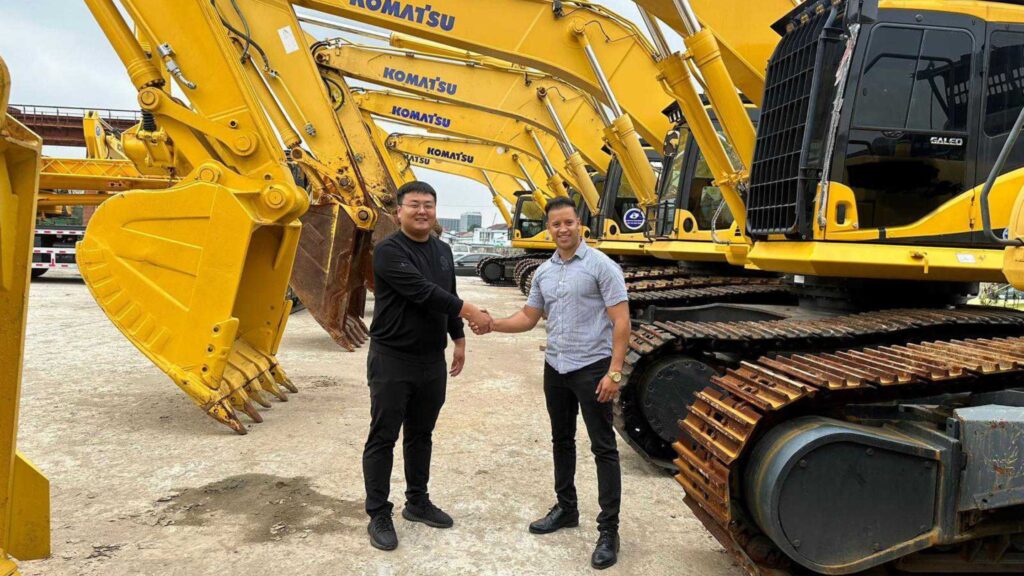
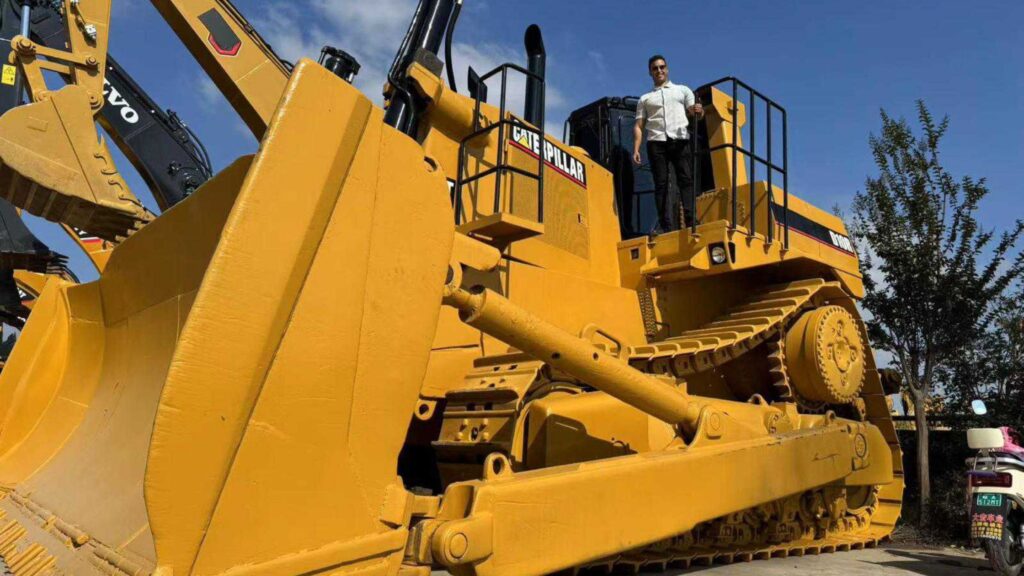
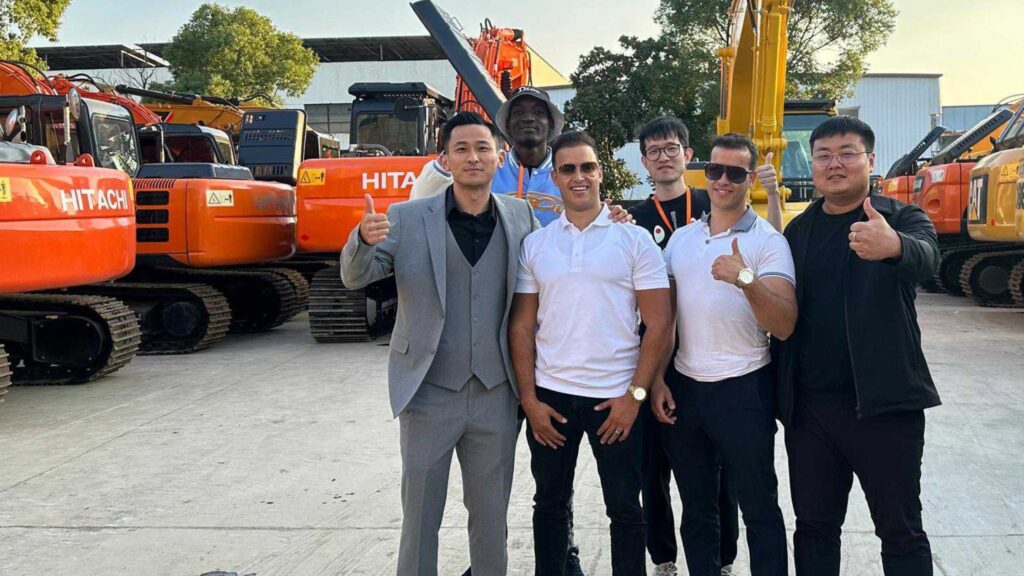
We had a conversation with Riad Daloussi, a Canadian entrepreneur who works in both machinery and real estate. Riad Daloussi is well known for supplying farm and construction equipment across North America and for helping overseas brands enter the Canadian and U.S. markets. In addition, he partners with developers on residential and commercial projects while also building his own property portfolio focused on cash flow and long-term value.
In this interview, Riad Daloussi spoke about scaling a construction equipment network, the role of partnerships, and the importance of trust. His answers are simple, clear, and practical, offering useful insights for anyone looking to grow in business while keeping relationships and quality at the center.
Interviewer: Welcome, Riad Daloussi. It’s great to have you here today. Can you tell us a little about yourself and your work in equipment supply?
Riad Daloussi: Thank you. I work in machinery and real estate, mainly focusing on supplying farm and construction equipment across North America. I also help overseas brands enter the Canadian and U.S. markets. Alongside that, I collaborate with developers on real estate projects and grow my own portfolio. My goal has always been to connect global supply with local demand and create growth opportunities.

Interviewer: What inspired you to enter the construction equipment supply business?
Riad Daloussi: I saw a big gap in the market where reliable equipment supply was needed. Many brands overseas wanted to reach North America but didn’t know how to navigate the process. I decided to build a bridge between those global suppliers and local buyers. The idea of solving a problem while also building long-term partnerships was very appealing, and it became the foundation of my work.
Interviewer: How do you approach scaling a construction equipment network?
Riad Daloussi: Scaling starts with building strong relationships. It’s about knowing suppliers well and understanding the needs of local clients. Once trust is built, the network can grow naturally through referrals and repeat business. I also focus on logistics, making sure equipment moves smoothly across borders. Consistency, reliability, and clear communication are key. Without those, scaling is difficult.
Also Read :- Interview with Deepa Karthik From NJ About the Vision Behind the HinduVote Project
Interviewer: What role does technology play in growing your network?
Riad Daloussi: Technology makes everything faster and easier. From tracking shipments to managing inventories, the right tools save time and reduce errors. Online platforms also help connect buyers and suppliers directly, which builds efficiency. Digital marketing plays a big role as well, letting us reach new markets and attract partners who may not know us yet. It’s really about using tech as a support system, not as a replacement for relationships.
Interviewer: How important are partnerships in your business?
Riad Daloussi: Partnerships are at the heart of everything. Without strong, trusted partners, it’s impossible to grow. Whether it’s suppliers overseas or contractors in Canada and the U.S., relationships are the foundation. A good partnership brings stability and helps handle challenges together. For me, every successful step in scaling came from working closely with the right people who share the same vision and values.
Interviewer: What challenges do you face when expanding into new markets?
Riad Daloussi: The main challenge is understanding the local environment. Every market has different rules, needs, and expectations. Regulations, logistics, and even cultural differences can create obstacles. To handle this, I spend time learning about the market before entering. I also work with local experts to avoid mistakes. Challenges are normal in growth, but with planning and patience, they can be managed.
Interviewer: How do you make sure equipment quality stays consistent?
Riad Daloussi: Quality is one of the first things we focus on. I only work with suppliers who have proven standards. Regular inspections and feedback from clients also help. If any issue comes up, it’s handled quickly to keep trust strong. I believe consistency builds reputation, and without good quality, no network can scale successfully. Quality is always non-negotiable in this business.
Interviewer: What advice would you give to someone starting in equipment supply?
Riad Daloussi: Start small, focus on trust, and learn the market well. Many people try to grow too fast and lose control. It’s better to build step by step, proving reliability with every deal. Strong communication and honesty will make clients come back. Once a reputation is built, expansion becomes much easier. The first few years are about learning, so patience is very important.
Interviewer: How do you balance machinery supply with real estate projects?
Riad Daloussi: Both industries complement each other. Real estate often requires equipment, and machinery networks open doors to new development opportunities. I divide my time by focusing on what needs the most attention at the moment. Having a strong team also makes it possible to manage both. In the end, it’s about balance and making sure each side of the business supports the other.
Interviewer: What role does customer feedback play in scaling?
Riad Daloussi: Feedback is extremely valuable. Clients often highlight small details that can make a big difference. By listening to them, I can adjust processes and improve service. Good feedback helps us know what to repeat, and negative feedback shows where to grow. It’s like a free roadmap for improvement. Without feedback, it would be hard to keep clients happy and loyal.
Interviewer: How do you handle competition in the equipment industry?
Riad Daloussi: Competition is always there, but I see it as motivation. Instead of worrying about what others are doing, I focus on providing better service and building trust. Clients notice when you go the extra mile. Staying consistent and reliable helps stand out. Competition also pushes innovation, so in a way, it makes everyone stronger. The key is to see it as healthy rather than negative.
Interviewer: What skills are most important for success in your field?
Riad Daloussi: Communication, patience, and problem-solving are essential. This business involves people from different backgrounds, so clear communication avoids mistakes. Patience is needed because deals and logistics take time. Problem-solving is crucial because challenges often appear. Having these skills makes it easier to build relationships, keep operations smooth, and grow the network steadily. Technical knowledge is helpful, but soft skills make the biggest difference.
Interviewer: How do you see the future of equipment supply?
Riad Daloussi: The future will be more connected and technology-driven. Digital platforms will make global trade easier, and demand for equipment will grow as cities expand. Sustainability will also play a big role, with more eco-friendly machines being used. I believe the business will become faster, smarter, and more international, but personal relationships will still remain important. Growth will come from combining technology with trust.
Interviewer: What role does trust play in international supply?
Riad Daloussi: Trust is everything in international trade. When equipment is moving across countries, there are many points where things can go wrong. Partners need to believe in each other’s reliability. I work hard to build that trust by being transparent and delivering on promises. Without it, deals collapse quickly. With it, long-term success is possible, even across borders.
Interviewer: How do you train your team to handle scaling?
Riad Daloussi: Training focuses on both technical and soft skills. The team learns how to manage equipment, logistics, and client needs. At the same time, they practice communication and problem-solving. I believe growth depends on a strong team, so I invest time in making sure they’re ready for challenges. When the team is confident, scaling becomes much smoother and more successful.
Interviewer: What strategies do you use to attract new clients?
Riad Daloussi: I rely on reputation, referrals, and visibility. Delivering good service makes clients recommend us to others. At the same time, online presence and networking events help reach new people. I also focus on showing reliability in every interaction. Attracting clients isn’t about pushing too hard; it’s about proving value and letting them see why working with us benefits their projects.
Interviewer: How do you keep up with changing market needs?
Riad Daloussi: Markets change quickly, so staying informed is very important. I keep in touch with clients, suppliers, and industry experts to know what’s coming. I also read reports and follow trends to plan. Adapting to new needs helps avoid falling behind. Being flexible and open to change makes it easier to stay competitive. It’s about always being ready for the next step.
Interviewer: What’s the most rewarding part of your work?
Riad Daloussi: The most rewarding part is seeing growth, both for clients and for the network itself. When equipment helps complete a project or when a partner enters a new market successfully, it feels great. It shows that the effort and planning are making a real difference. Building something lasting and useful is very satisfying, and it motivates me to keep pushing forward.
Interviewer: What advice do you have for scaling a business in general?
Riad Daloussi: Scaling any business requires patience, strong systems, and reliable relationships. It’s not about rushing, but about growing step by step. A solid base makes it easier to expand without losing control. Always focus on clients, because they are the real drivers of growth. With the right mindset and consistent effort, scaling becomes possible and sustainable over the long term.
Interviewer: Thank you for sharing your thoughts and experience with us today.
Riad Daloussi: Thank you for having me. It was a pleasure to talk about this journey and share insights. I believe conversations like this are helpful for others who want to grow in business. I appreciate the opportunity.