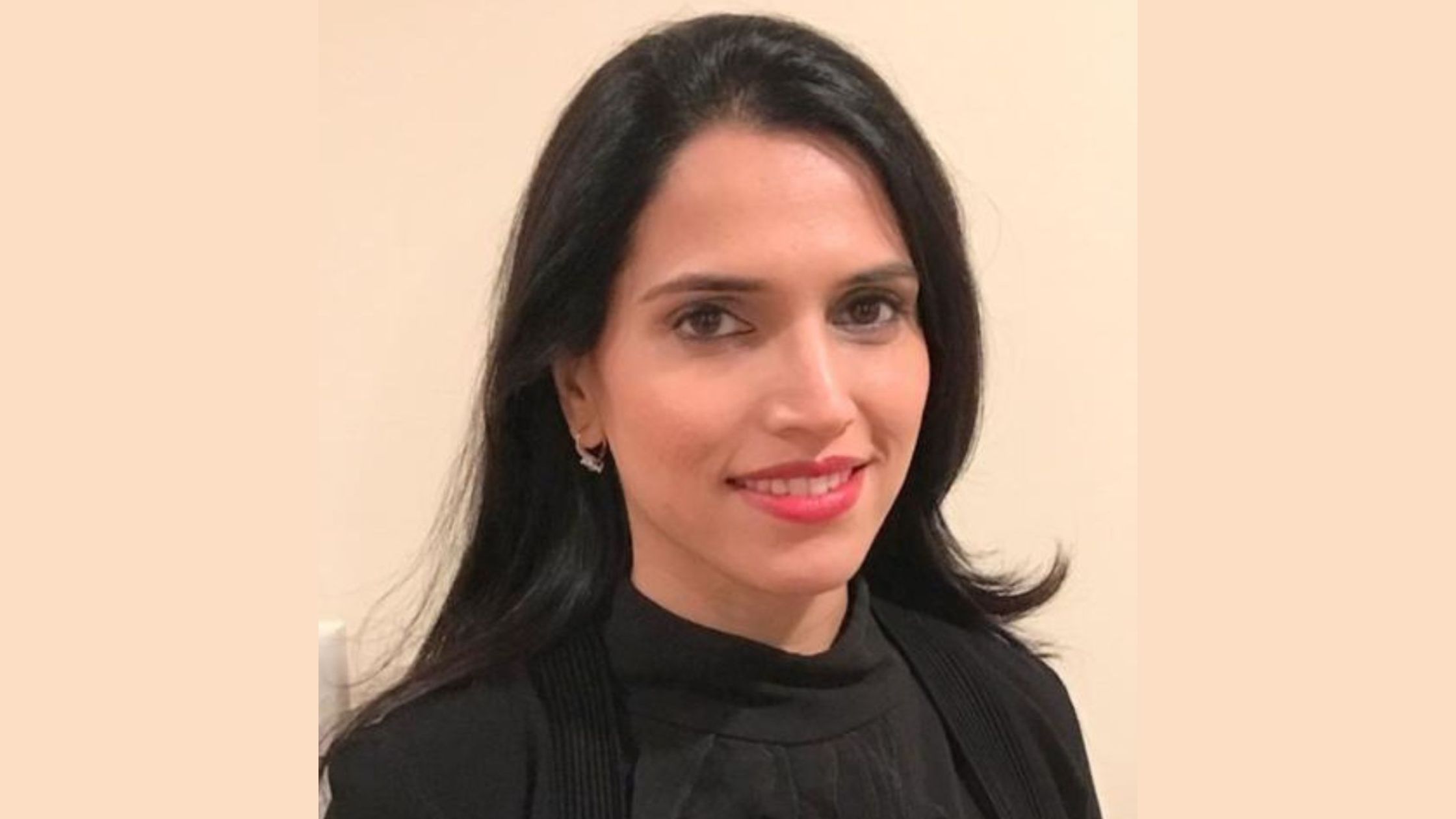
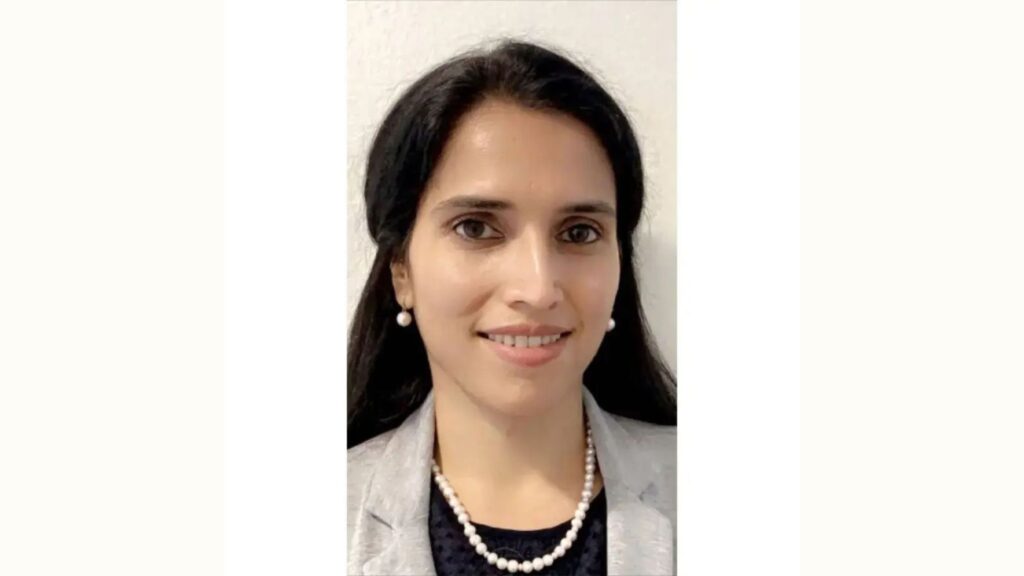
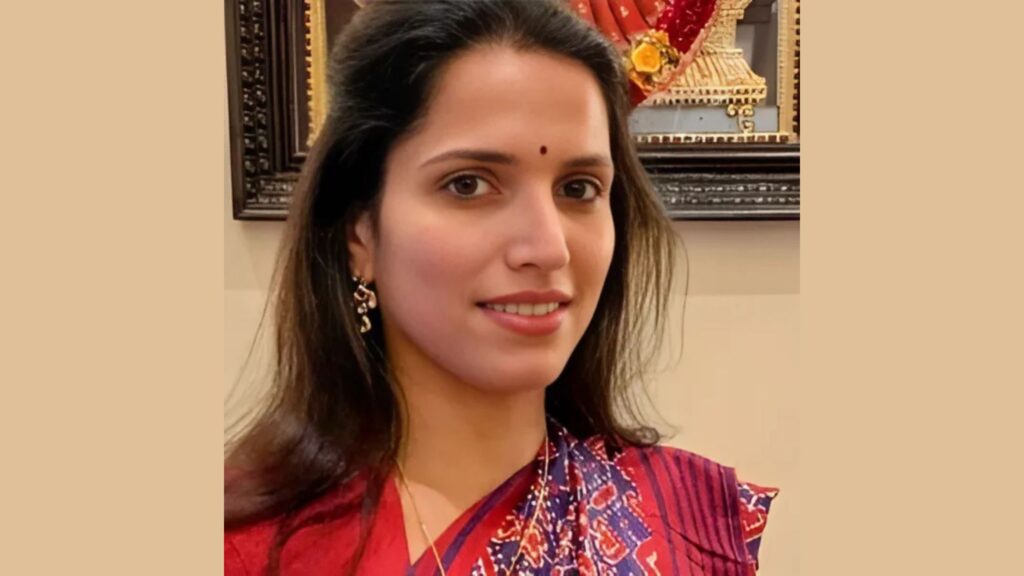
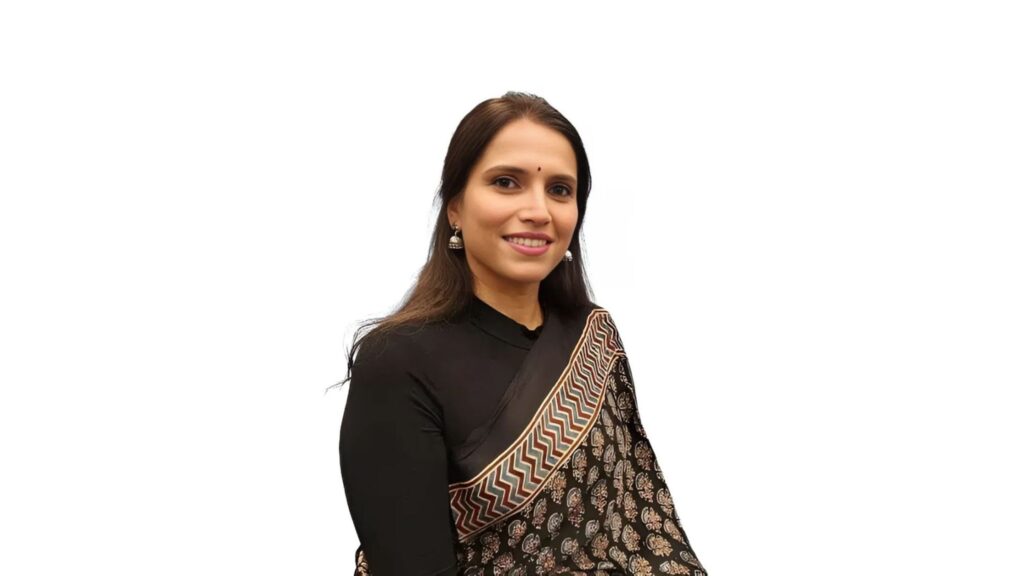
In a recent interview, the conversation focused on Deepa Karthik from NJ, a Program Manager and Executive Director of the HinduVote Project, who shared her vision for building stronger civic awareness. She spoke about how the initiative empowers communities to understand their rights, responsibilities, and the importance of active participation in democracy.
With a professional background in managing projects across pharma and finance, she brings strong leadership skills. Deepa Karthik explained that even small steps can create more engaged and united communities for the future.
Interviewer: Welcome, Deepa Karthik. It’s wonderful to have you here today. Can you start by sharing what inspired the HinduVote Project?
Deepa Karthik NJ: Thank you for having me. The project began with the thought that many people in the community were not fully aware of their rights and role in civic life. The goal was to create a platform that helps educate and connect people. It is about giving them the right tools so they can engage with their local government and be active participants in democracy.
Interviewer: What is the main vision behind this project?
Deepa Karthik NJ: The vision behind the HinduVote project is to empower the American Hindu community through clear and simple civic education. We want people to understand policies, engage with leaders, and vote with confidence. HinduVote also focuses on legislative awareness, ensuring that community concerns are recognized and addressed. Beyond elections, our aim is to build a strong civic voice, foster unity, and guide the younger generation to take part in meaningful civic and community engagement.
Interviewer: How does the project help the community?
Deepa Karthik NJ: The HinduVote project helps the community by making civic knowledge easy to access and apply in daily life. We provide resources that explain policies, voting processes, and key issues in a simple way, so individuals feel more confident participating in civic matters. Through outreach and education, we encourage dialogue with leaders and highlight community priorities.
Interviewer: What kind of challenges do you see in building civic awareness?
Deepa Karthik NJ: One big challenge is the lack of time. Many people are busy with work and family, so civic learning often gets ignored. Another challenge is feeling that one person cannot make a difference. This belief stops many from even trying. The project focuses on breaking this barrier. It shows that small steps, like voting, attending meetings, or asking questions, can create a ripple effect and bring real change.
Interviewer: Do you see youth playing an important role in this project?
Deepa Karthik NJ: Absolutely. Youth are the future of any community, and they bring fresh energy and ideas. This project encourages them to learn about civic life early so they can grow into responsible leaders. Simple steps like volunteering, joining local groups, or understanding elections help them. The aim is to give them confidence that their actions matter. When youth get involved, the entire community becomes stronger and more active.
Interviewer: How do families benefit from this initiative?
Deepa Karthik NJ: Families benefit because civic education is not just for one person; it becomes a shared experience. When parents learn and discuss civic issues at home, children listen and learn too. This builds stronger values of responsibility and awareness. Families that take part in the project often share how it creates unity and purpose.
Also Read: Bhakti Marga Teilt Swami Vishwanandas Leitfaden Zum Inneren Frieden
Interviewer: How important is civic education today?
Deepa Karthik NJ: Civic education is more important than ever. With so much information around us, it’s easy to feel confused or disconnected. Civic education helps people cut through the noise and understand how the system really works. It reminds them of their rights and duties. Without this knowledge, people can miss chances to make their voices heard. Civic education makes individuals stronger, and stronger individuals mean stronger communities for the future.
Interviewer: How does the project reach people who are new to civic learning?
Deepa Karthik NJ: The project makes sure resources are simple and welcoming. Many times, people hesitate to ask questions because they feel they should already know. Here, no question is too small. New learners are guided step by step. Whether it’s about voting, attending meetings, or writing to officials, everything is explained in easy language. The aim is to build confidence so that even beginners feel they can take part without fear.
Interviewer: What role does technology play in this work?
Deepa Karthik NJ: Technology plays a big role. Not everyone can attend events in person, so online tools help reach a wider audience. Through social media, websites, and virtual sessions, information can be shared quickly. Technology also allows people to connect, ask questions, and get resources at their own pace. This makes civic education more flexible. By using digital platforms, the project ensures that learning is accessible to anyone, anywhere.
Interviewer: How do you measure the impact of the project?
Deepa Karthik NJ: We measure the impact of the HinduVote project by looking at both participation and awareness. Success is seen when more Hindu community members attend civic workshops, engage in policy discussions, and register or turn out to vote with confidence. We also track the number of youth and volunteers involved, as their engagement shows long-term growth. Feedback from the community and responses from leaders further reflect how effectively the project is amplifying concerns and building a stronger civic presence.
Interviewer: Has the project created new opportunities for the community?
Deepa Karthik NJ: Yes, it has opened many doors. People who once stayed silent now take part in discussions. Some have even stepped up for leadership roles in local organizations. The project also brings people together, creating a sense of unity. It’s not only about knowledge but also about building connections. These new opportunities help the community grow stronger, more active, and more prepared to handle the challenges of civic life.
Interviewer: How do you keep people motivated to continue learning about civic life?
Deepa Karthik NJ: Motivation comes from showing results. When people see that their small actions lead to positive changes, they stay encouraged. Regular events, reminders, and success stories also help. Another way is by keeping the learning fun and interactive, so it never feels like a burden. Most importantly, the project makes people realize they are not alone. Being part of a group with shared goals keeps motivation alive.
Interviewer: What advice would you give to someone new to civic engagement?
Deepa Karthik NJ: My advice would be to start small. Attend a local meeting, learn about your town, or just read about how voting works. Don’t feel pressured to do everything at once. Civic engagement is a journey, and every step counts. Even one action, like asking a question or registering to vote, can make a difference. The key is to begin, and once you do, the confidence will naturally grow.
Interviewer: How do cultural values connect with civic awareness?
Deepa Karthik NJ: Cultural values play a strong role because they shape how people view responsibility and community life. Civic awareness is not separate; it builds on the same values of respect, unity, and service. Many people find that their cultural roots inspire them to care for society and give back. This project respects those values and connects them with civic actions. It helps people see that culture and civic duty go hand in hand.
Interviewer: What message would you give to parents about civic education?
Deepa Karthik NJ: Parents are role models for their children. When they take part in civic life, children notice and learn. I would encourage parents to talk about simple civic topics at home, like voting or community service. Involve children in local events or let them ask questions. These small steps shape children’s future attitudes. Parents have a big role in passing down the values of responsibility and engagement to the next generation.
Interviewer: Do you think schools should add more civic programs?
Deepa Karthik NJ: Yes, schools are the perfect place to start civic learning. When children grow up with civic knowledge, it becomes natural for them. More programs in schools would help students understand their rights, duties, and role in democracy. Fun activities like debates, role plays, or visits to local offices can make it engaging. Schools already shape future citizens, so adding civic programs would only strengthen their role in society.
Interviewer: How do you see this project growing in the future?
Deepa Karthik NJ: The future vision is to expand and reach more people. That means creating more workshops, more online resources, and connecting with other groups that share the same goals. The project will continue to focus on both youth and adults, ensuring the whole community is involved. Growth also means adapting to new challenges. As civic needs change, the project will keep finding ways to stay useful, simple, and impactful.
Interviewer: What has been the most rewarding part of this journey for you?
Deepa Karthik NJ: The most rewarding part is seeing people gain confidence. When someone tells me they felt their voice was heard for the first time, it is very special. Watching youth step forward, families come together, and individuals take part in civic life shows that the effort is working. It is fulfilling to know that even a small project can create lasting impact by encouraging people to believe in their own power.

Interviewer: Thank you for sharing your thoughts with us today. Any final message you’d like to leave?
Deepa Karthik NJ: Thank you for the opportunity. My final message is simple: every voice matters. Civic engagement is not about politics alone, it is about everyday life and choices. No matter how busy we are, taking a little time to learn and act makes a big difference. When individuals come together, the whole community becomes stronger. Everyone has the power to contribute, and that is the true meaning of civic awareness.