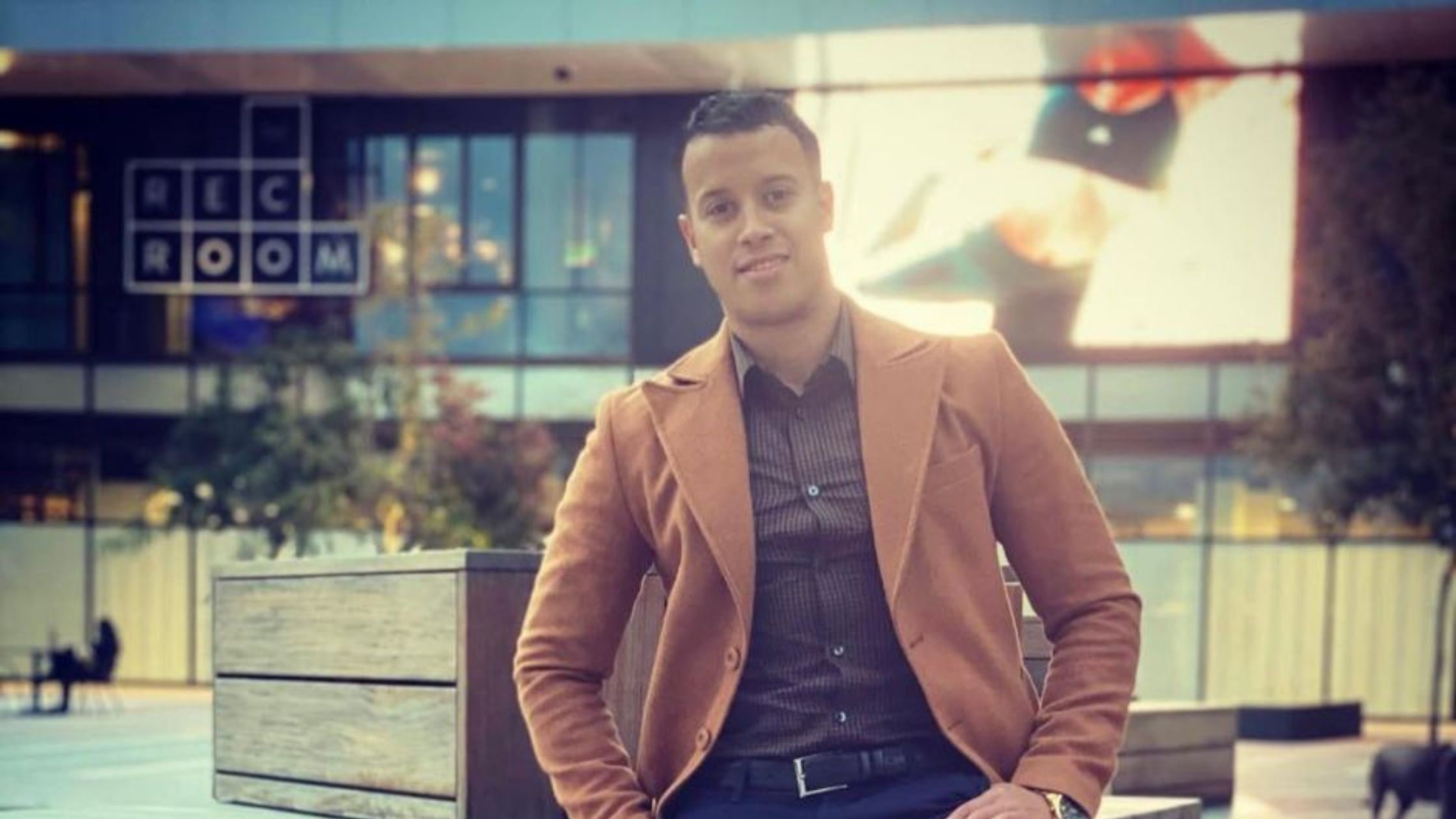
We had the opportunity to speak with Alaa Daloussi, a Canadian entrepreneur working in both construction equipment and real estate development. He helps bring international machinery to North America and guides property projects from planning to completion.
In this interview, Alaa Daloussi explains why real estate success starts with proper market research. He shares how understanding demand, location, and infrastructure reduces risks and increases long-term value. He also talks about smart planning, building strong client relationships, and focusing on quality and care to create projects that last and communities that grow.
Interviewer: Today, we’re joined by Alaa Daloussi, an entrepreneur from Canada working in construction equipment and real estate. He connects global machines to North America and supports smart building projects. Thank you for being here.
Alaa Daloussi: Thank you for having me. I’m glad to share ideas from my work in construction and real estate that may help others plan better and build stronger projects.
Interviewer: Why do you say strong real estate plans begin with market research?
Alaa Daloussi: Market research helps us understand demand, location value, and future growth. Without it, projects may fail because they don’t meet real needs. Research gives data on prices, buyer behavior, and community trends. This makes planning clear, reduces risks, and ensures properties bring lasting returns. Real estate isn’t just about land; it’s about how people will use it tomorrow.

Interviewer: How does market research reduce risks in real estate projects?
Alaa Daloussi: It reduces risks by showing us what areas are growing, which ones are slowing, and what people need most. When developers have this knowledge, they avoid overbuilding or choosing poor locations. Good research highlights hidden risks, like weak infrastructure or low demand. By acting on this data, investors can make safer choices and protect their long-term property value.
Read More: Hassan Lammou Zegt: “Voetbal Vormt Eerst De Persoon, Daarna Pas De speler.”
Interviewer: What factors should developers look at during market research?
Alaa Daloussi: Developers should focus on population growth, job opportunities, transport access, and government plans for the area. These factors decide if a location will rise in value. It’s also important to check nearby schools, hospitals, and shopping spaces, as they affect demand. Market research combines these insights to show whether a project will succeed and bring steady returns.
Interviewer: How does location choice connect to market research?
Alaa Daloussi: Location is the heart of real estate value, and market research makes location clear. By studying demand patterns, we see where families, workers, or businesses want to move. For example, if a city expands in one direction, land there gains value. Research helps investors buy in the right place at the right time, avoiding weak or declining areas.

Interviewer: How does market research support long-term property value?
Alaa Daloussi: Long-term value depends on steady demand, strong infrastructure, and future growth. Market research points to areas that will grow over 10 or 20 years, not just today. It reveals future roads, schools, or business zones that will increase property value. By planning with this knowledge, investors build assets that stay strong, rather than properties that lose value quickly.
Interviewer: How can market research help in land selection?
Alaa Daloussi: Market research shows which areas have the highest potential for growth. It studies land prices, zoning rules, and nearby development. If a piece of land is close to new transport routes or planned projects, its value will rise. With proper research, developers avoid lands with legal or environmental risks and select sites that bring maximum returns over time.
Interviewer: What role does infrastructure planning play in research?
Alaa Daloussi: Infrastructure planning is central to market research because strong roads, utilities, and public services drive property demand. Without these, land loses value. Research shows what infrastructure exists and what’s coming in the future. If a location will soon get new highways, airports, or metro lines, it becomes a prime choice. Real estate value grows fastest in areas with reliable infrastructure.

Interviewer: How can investors use market research to choose the right project type?
Alaa Daloussi: Market research tells investors whether people need housing, offices, or retail space. For example, in a growing suburb, family homes may be best. In a business district, offices or mixed-use spaces make sense. By studying demographics and income levels, investors match projects to demand. This ensures buildings won’t stay empty and will deliver the highest possible returns.
Interviewer: Why is demand analysis important in real estate research?
Alaa Daloussi: Demand analysis reveals who wants to buy or rent and what they can afford. It studies population trends, incomes, and buyer preferences. Without this, developers may build homes that don’t match the market. For example, luxury homes in an area with middle-income buyers won’t sell well. With accurate demand analysis, projects meet real needs and stay profitable.
Interviewer: How does market research guide pricing strategy?
Alaa Daloussi: Market research compares similar projects and local property trends to set fair prices. If prices are too high, sales slow down; too low, and investors lose value. Research ensures prices match buyer expectations while securing good profit margins. It also predicts how prices will move in the future. This helps investors set prices that attract buyers and protect value.

Interviewer: How can research prevent overbuilding in real estate markets?
Alaa Daloussi: Overbuilding happens when too many projects enter the same market. Market research tracks supply and demand balance, showing if an area already has enough homes or offices. When investors study this data, they avoid adding excess properties. This keeps occupancy rates healthy and maintains value. Without research, developers may face unsold units and falling prices in oversupplied areas.
Interviewer: How does government planning affect market research?
Alaa Daloussi: Government planning has a huge role because policies shape demand. Market research looks at zoning laws, tax benefits, and planned public projects. If the government supports housing in one area, demand grows fast. On the other hand, strict rules may limit building. By studying these policies, developers can act early, invest wisely, and align their projects with future growth.
Interviewer: How do global trends connect with local market research?
Alaa Daloussi: Global trends, like interest rates or migration, influence local markets. Market research connects these large trends with local needs. For example, rising global demand for green housing may push local buyers to prefer eco-friendly projects. If migration increases in a city, housing demand rises. By linking global and local data, investors prepare for changes that affect property value.

Interviewer: What is the role of technology in modern market research?
Alaa Daloussi: Technology makes research faster and more accurate. Tools like big data, satellite maps, and real-time pricing platforms help us track trends clearly. With these, developers see which areas are gaining value, where demand is rising, and what buyers want. Technology reduces guesswork and allows smarter planning. In today’s fast-changing markets, digital tools give investors a strong advantage.
Interviewer: What advice would you give investors about starting with research?
Alaa Daloussi: My advice is always to start with solid data. Don’t rely on assumptions or quick guesses. Research demand, location, pricing, and infrastructure before making decisions. Even small investments need clear planning. Market research is the foundation of real estate success, reducing risks and increasing returns. The more knowledge you gather in the beginning, the stronger and safer your project becomes.
Interviewer: Thank you for your time and for sharing these insights.
Alaa Daloussi: Thank you. I hope these thoughts guide others to make smarter, safer, and more successful decisions in their projects.