
Cecilia Gomer is a Micro Drama Producer and the co-founder and producer of Crazy Stone Studio. She is known for creating original micro-drama content and managing smooth, story-driven productions. She also works closely with vertical show formats, adapting stories to suit mobile-first viewing habits and modern digital platforms.
In this interview, Cecilia Gomer shares her views on the craft of micro drama production. She explains how strong storytelling, smart planning, and teamwork help bring short stories to life. She speaks about the growth of vertical shows and short-format content in today’s digital space, and how framing, pacing, and performance style adjust for mobile screens. Through her experience, Cecilia Gomer highlights how micro drama and vertical storytelling work together to create engaging and emotionally strong short-form content.
Interviewer: Today, we’re joined by Cecilia Gomer to talk about the craft of micro drama production and vertical show storytelling, and how strong storytelling is created in a short format. Thank you for being here.
Cecilia Gomer: Thank you for having me. The craft of micro drama production is about telling clear and meaningful stories in a short amount of time. Every scene, line, and emotion must serve the main idea. Because the format is short, the storytelling needs focus and purpose. Many projects today are also developed as vertical shows, designed for mobile viewing. When planned carefully, micro drama can create a strong emotional connection with viewers, even within just a few minutes.
Interviewer: What is micro drama production, and how do you define its craft?
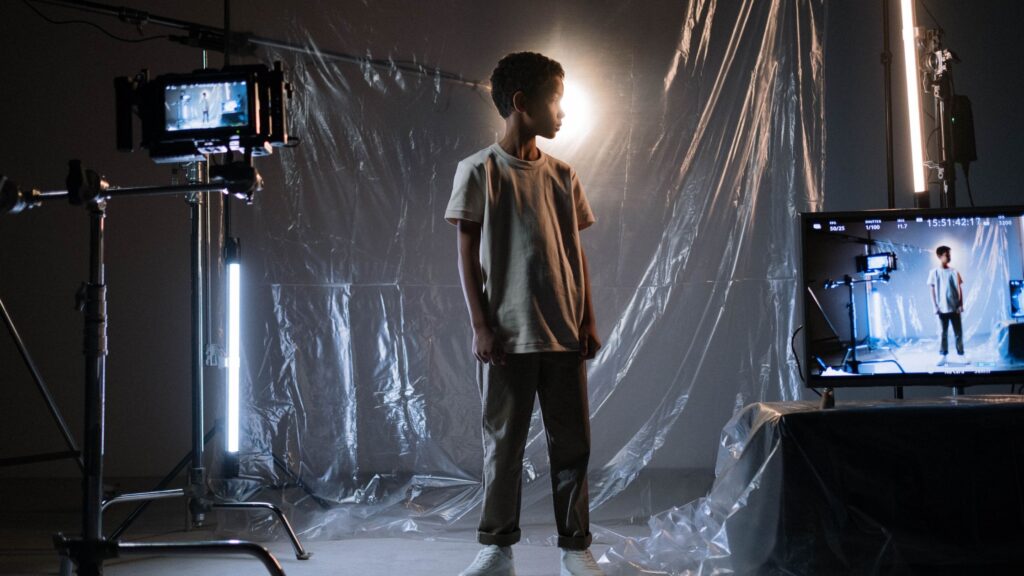
Cecilia Gomer: Micro drama production is the process of creating short, story-driven episodes mainly for mobile audiences. The craft is about telling a clear and emotional story in a limited time. It requires focused writing, detailed planning, and careful editing. Many micro dramas today are also created as vertical shows in a 9:16 format, designed specifically for phone viewing. This format shapes how scenes are framed and how emotions are presented. The craft combines strong storytelling, visual clarity, and smart pacing to deliver impact in a short format.
Interviewer: How is micro drama different from traditional drama production?
Cecilia Gomer: Micro drama is much shorter and faster than traditional drama. Episodes are brief, so the story must begin quickly and move forward without delay. There is no space for long introductions or extra scenes. Every moment must serve the story. Production schedules are also tighter. Teams work with clear plans and quick decisions. The focus is on strong emotional moments delivered in a short and engaging way.
Also Read: John Lasala from New York Says, “Good Planning Makes Home Buying Easier.”
Interviewer: How are micro dramas and vertical shows connected?
Cecilia Gomer: Micro dramas and vertical shows are closely connected because both focus on mobile-first audiences. A vertical show is designed for viewers who watch content on their phones. Many micro dramas use this format because it matches modern viewing habits. The storytelling becomes more direct and personal. Scenes are framed to suit smaller screens, and emotions are highlighted clearly. This connection makes vertical shows an important part of today’s micro drama production.
Interviewer: What adjustments are needed when producing a vertical show?

Cecilia Gomer: When producing a vertical show, planning becomes very important. The framing must keep the main action clear and centred. Actors are positioned carefully, and background details are kept simple. The team must think about how scenes will appear on a phone screen. Storyboards are prepared in a vertical layout from the start. These adjustments help maintain balance and clarity while keeping the storytelling smooth and engaging.
Interviewer: Why is the 9:16 format important in some micro drama productions?
Cecilia Gomer: The 9:16 format is important because it fits naturally with how people hold their phones. It creates a more personal and focused viewing experience. In micro drama production, this format encourages close-up shots and emotional detail. It helps the audience feel closer to the characters. However, strong storytelling remains the most important factor, no matter the format used.
Interviewer: What are the key elements of strong storytelling in micro drama?
Cecilia Gomer: Strong storytelling in micro drama depends on clear conflict, simple structure, and emotional connection. The story must grab attention quickly. Each episode should have a clear goal and a strong ending that encourages viewers to continue. Dialogue must be meaningful and direct. Every scene should move the story forward. Because time is limited, clarity and focus are essential parts of the craft.
Interviewer: How do you plan a micro drama before production begins?

Cecilia Gomer: Planning starts with outlining the complete story. Even though episodes are short, the full arc must be clear. We divide the story into small episodes with strong emotional points. Scheduling is organized carefully because time is limited. Shot lists and scene breakdowns help avoid confusion during filming. Good preparation ensures that production runs smoothly and the story remains focused.
Interviewer: What role does pacing play in micro drama production?
Cecilia Gomer: Pacing is very important in micro drama. The story must move quickly but still feel natural. If it moves too slowly, viewers may lose interest. If it moves too fast, the message may become unclear. We balance dialogue, action, and emotional moments carefully. Editing helps shape the rhythm. Good pacing keeps viewers engaged from start to finish.
Interviewer: How do you handle character development in such short episodes?
Cecilia Gomer: Character development in micro drama must be simple and direct. We focus on strong personality traits that can be shown quickly. Actions and expressions reveal who the character is. Instead of long backstories, we use clear goals and emotional reactions. Even in a short time, viewers should understand what the character wants. Clear character focus strengthens the story.
Interviewer: What challenges are common in micro drama production?
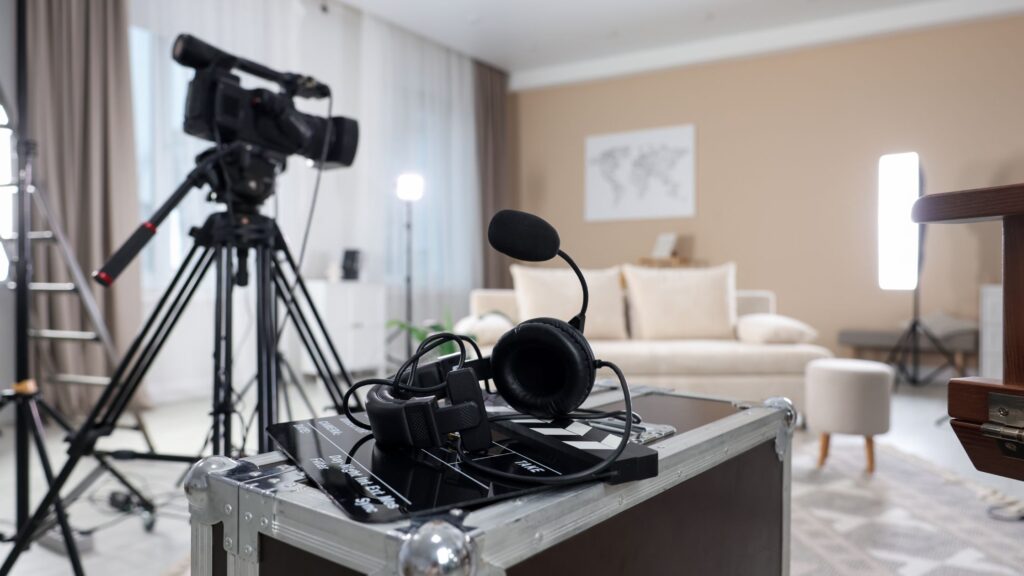
Cecilia Gomer: One major challenge is limited time. There is little space for mistakes or extra scenes. Budget constraints can also affect production choices. Another challenge is maintaining quality while working quickly. Teams must stay organized and communicate clearly. Despite these challenges, strong planning and teamwork help achieve smooth results.
Interviewer: How important is editing in shaping a micro drama?
Cecilia Gomer: Editing plays a central role in micro drama production. It controls pacing, emotion, and clarity. Since episodes are short, every cut matters. Editors remove unnecessary moments and keep the story tight. Music and sound design also support emotional impact. Strong editing turns simple footage into a powerful and engaging story.
Interviewer: What makes a micro drama visually effective?
Cecilia Gomer: A visually effective micro drama uses clear framing and simple backgrounds. The focus should remain on the characters and their emotions. Lighting must highlight expressions clearly. Camera movements should feel smooth and natural. Visual consistency helps maintain quality. When visuals support the story’s emotion, the overall impact becomes stronger.
Interviewer: How important is teamwork in micro drama production?
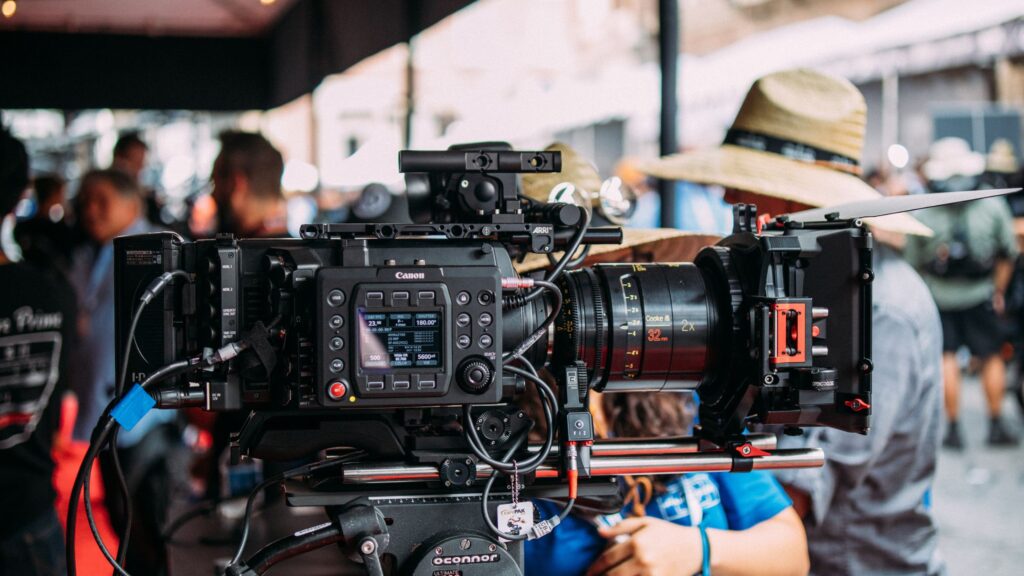
Cecilia Gomer: Teamwork is essential because production moves quickly. Writers, directors, actors, and editors must share the same vision. Clear communication prevents delays. Each department must understand the story goals. When everyone works together smoothly, the final result feels consistent and professional. Strong teamwork supports creativity and efficiency.
Interviewer: How do you keep audiences engaged in short-form storytelling?
Cecilia Gomer: Engagement begins with a strong opening scene. The first moments must create curiosity. Each episode should end with a hook or emotional twist. Clear storytelling and focused pacing maintain attention. When viewers connect emotionally with characters, they are more likely to continue watching. Strong structure and meaningful moments keep audiences involved.
Interviewer: How do you see the craft of micro drama production evolving in the future?
Cecilia Gomer: The craft is evolving as audiences prefer short and mobile-friendly content. Creators are learning to tell deeper stories in less time. Production tools are also improving, making the process faster and more efficient. Micro drama will continue to focus on strong emotion, clear storytelling, and smart pacing. The format will grow while keeping its core focus on powerful short-form narratives.
Interviewer: Thank you, Cecilia Gomer, for sharing your insights on the craft of micro drama production. Your thoughts clearly explain how structure, planning, and creativity shape short-form storytelling.
Cecilia Gomer: Thank you for the opportunity. Micro drama production shows that storytelling does not depend on length, but on clarity and emotion. With thoughtful planning, teamwork, and attention to detail, short stories can leave a lasting impact. This craft continues to grow as audiences enjoy quick and meaningful content, especially on mobile platforms where focused storytelling truly stands out.